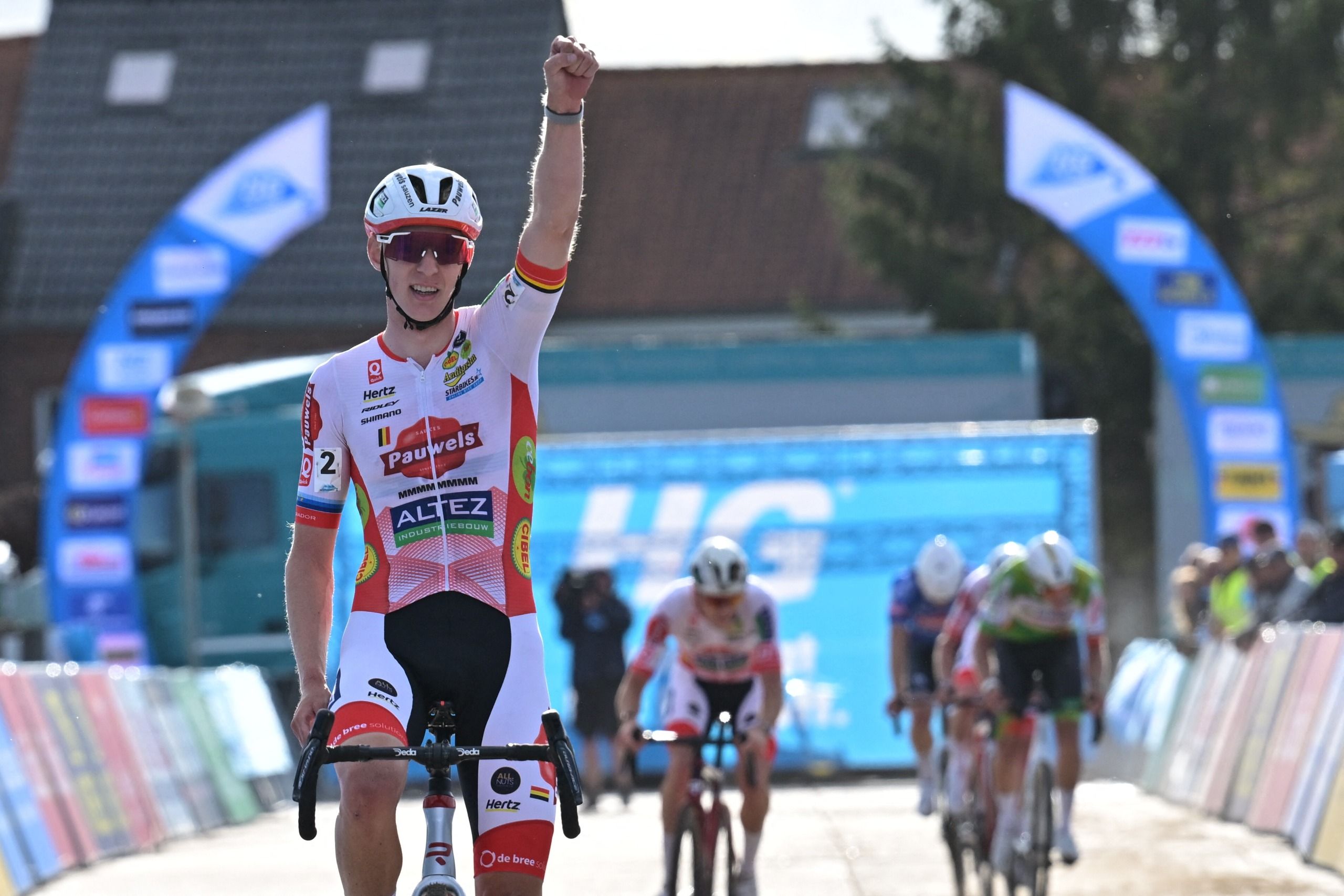
There is something uniquely poetic about the way cyclocross forces riders to reckon with the raw elements, turning fields into quagmires and testing the absolute limits of human endurance. Personally, I think races like the HG Cross in Dendermonde strip cycling down to its most visceral, brutal core, where mechanical precision meets sheer stubborn willpower.
The Masterclass of Collective Strategy
When you watch a team completely dictate the terms of a race, it changes the psychological landscape of the entire peloton. What makes this particular Pauwels Sauzen victory so fascinating is how they weaponized numerical superiority long before the final barrier was cleared. In my opinion, modern cycling often gets romanticized as a purely individual struggle, but races like this remind us that collective tactics remain the ultimate trump card. From my perspective, Vanthourenhout didn't just win because he had superior legs on the final circuit; he won because his squad systematically ground down the opposition's morale over an hour of relentless pressure.
- Systematic pressure applied through relentless teammate pacing
- Forcing a selective split on a course designed to punish mistakes
- Capitalizing on tactical chess moves while rivals chased shadows
Navigating the Mud and the Mind Games
If you take a step back and think about it, winning a heavy cross race is as much about psychological warfare as it is about lactate thresholds. A detail that I find especially interesting is how riders manage the treacherous obstacles during the dying moments of an event. What many people don't realize is that executing a clean solo move on the course's most brutal feature requires an almost terrifying amount of calculated risk. When Vanthourenhout launched his decisive attack over that final major obstacle, he wasn't just testing his bike handling; he was betting everything on his competitors' exhaustion. This raises a deeper question about how instinct overrides fatigue when the finish line is finally in sight.
The Bigger Picture of Early-Season Dominance
What this really suggests is that early-season momentum can create a massive psychological ripple effect for the rest of the winter calendar. Personally, I believe watching a team lock down the top steps of the podium early on sends a chilling message to the rest of the locker room. It shifts the narrative from an open field to an uphill battle for everyone else. As the mud deepens and the calendar marches forward, these foundational victories will serve as the benchmark against which every future triumph is measured.