The Accidental Resurrection of a PlayStation Masterpiece
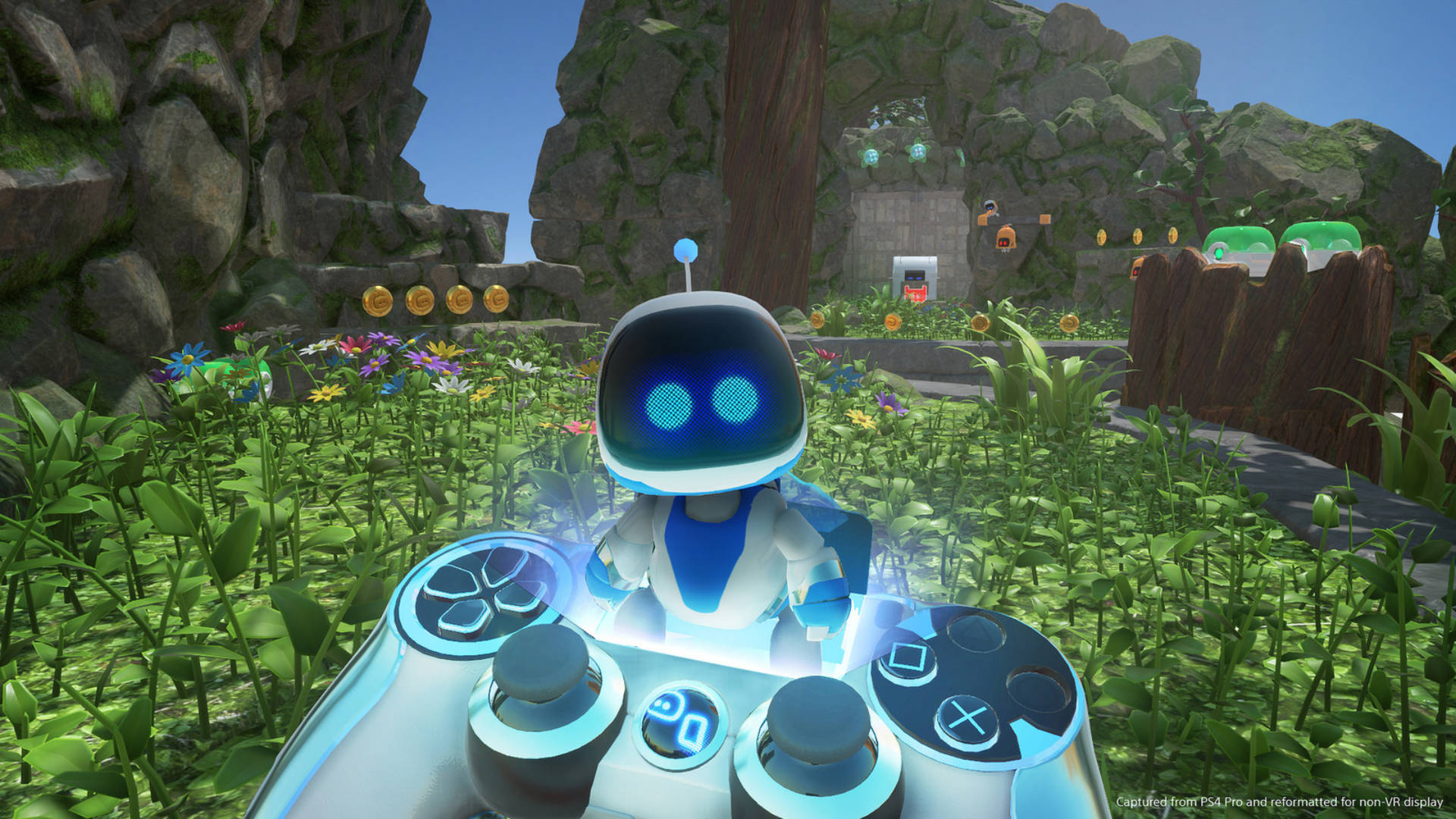
If you take a step back and think about it, the way modern software preservation works is nothing short of bizarre. We live in an era where massive corporate entities routinely abandon their most beloved creative achievements, leaving brilliant games stranded on obsolete hardware like digital artifacts locked behind glass. Personally, I think it is one of the most frustrating tragedies of modern gaming. But what makes this particular moment so fascinating is watching how communities bypass corporate apathy altogether. A striking example just landed in the virtual reality space: Astro Bot Rescue Mission, a masterpiece originally trapped on the aging PSVR, has somehow found its way onto the Meta Quest 3 and PC VR thanks to an ingenious modder and the unexpected catalyst of AI-driven coding.
What many people don't realize about this breakthrough is that it represents a fundamental shift in how software gets rescued. When Sony left Astro Bot behind—refusing to port it to the PSVR 2 and instead pivoting its acclaimed mascot entirely to flat screens—fans assumed the game was destined to slowly fade into obsolescence. Yet, a modder known as Bigmak94 used an AI agent to help modify a PlayStation 4 emulator, resulting in a native Quest 3 sideloadable build and a PC VR version complete with full spatial audio and 6DOF tracking. From my perspective, this isn't just a clever tech trick; it's a terrifyingly fast preview of a future where fan communities can resurrect any piece of digital media they want, regardless of what copyright holders or platform holders decide.
The Rise of AI "Vibecoding" in Modding Culture
A detail that I find especially interesting is the method behind the magic. We are watching the dawn of a completely new creative paradigm where human imagination acts as the director, while AI agents handle the grueling, tedious mechanics of deep emulation and code translation. By feeding tasks into tools like Claude to tweak open-source emulators, creators are accomplishing feats that used to require massive, coordinated engineering teams.
- Democratizing Complex Engineering: Tasks that once demanded years of low-level systems programming are now being accelerated by conversational AI agents.
- Bridging Incompatible Ecosystems: Translating console-specific architecture to standalone mobile VR chips used to be a pipe dream for solo developers.
- Shifting the Power Dynamic: Modders are no longer just skinning games; they are effectively rewriting execution pipelines on the fly.
What this really suggests is that the barrier to entry for deep reverse engineering is collapsing in real time. When an individual can leverage an AI assistant to coax a complex PlayStation platformer onto a Meta headset, it changes the economics of software preservation forever. It makes you wonder: if a solo creator can do this now, what will a coordinated community achieve over the next five years?
The Deeper Irony of Corporate Neglect
If you look at the broader industry trend, there is an incredible irony in how platform holders treat their own catalogs. Sony had a generational platform-seller in Astro Bot Rescue Mission, a game widely hailed as one of the finest platformers ever made in virtual reality. Yet, corporate strategy shifted, hardware iterations moved on, and a brilliant piece of interactive art was effectively left for dead.
In my opinion, this highlights a massive blind spot in modern gaming business models. Corporations treat games like disposable hardware drivers rather than timeless cultural works. When companies abandon their software, they create a vacuum. And nature—or in this case, a fiercely dedicated modding scene supercharged by artificial intelligence—abhors a vacuum.
This raises a deeper question about ownership and preservation in the digital age. When official channels fail to keep classic games accessible, community-driven intervention becomes the only lifeline. Projects like this "AstroQuest" mod prove that passionate users will simply take matters into their own hands, bending technology to preserve the experiences they care about.
Looking Ahead: A Wild West of Virtual Reality
What excites me most is that Astro Bot is clearly just the tip of the iceberg. We have already seen similar workflows applied to titles like Titanfall 2, and the velocity of these releases is only going to accelerate. As AI coding tools become more sophisticated, the boundary between platforms will continue to blur into non-existence.
Ultimately, I believe we are entering a chaotic, brilliant era of grassroots software reclamation. While standalone mobile hardware like the Quest 3 might be pushed to its absolute limits running these emulated masterpieces at lower resolutions, the sheer fact that it works at all feels magical. It reminds us why we fell in love with gaming technology in the first place: not because of corporate roadmaps or platform exclusives, but because of the sheer, stubborn refusal of fans to let great art disappear.