The Quiet Twilight of the Rideshare Era: Why SpaceX’s Transporter-18 Signals a Massive Shift
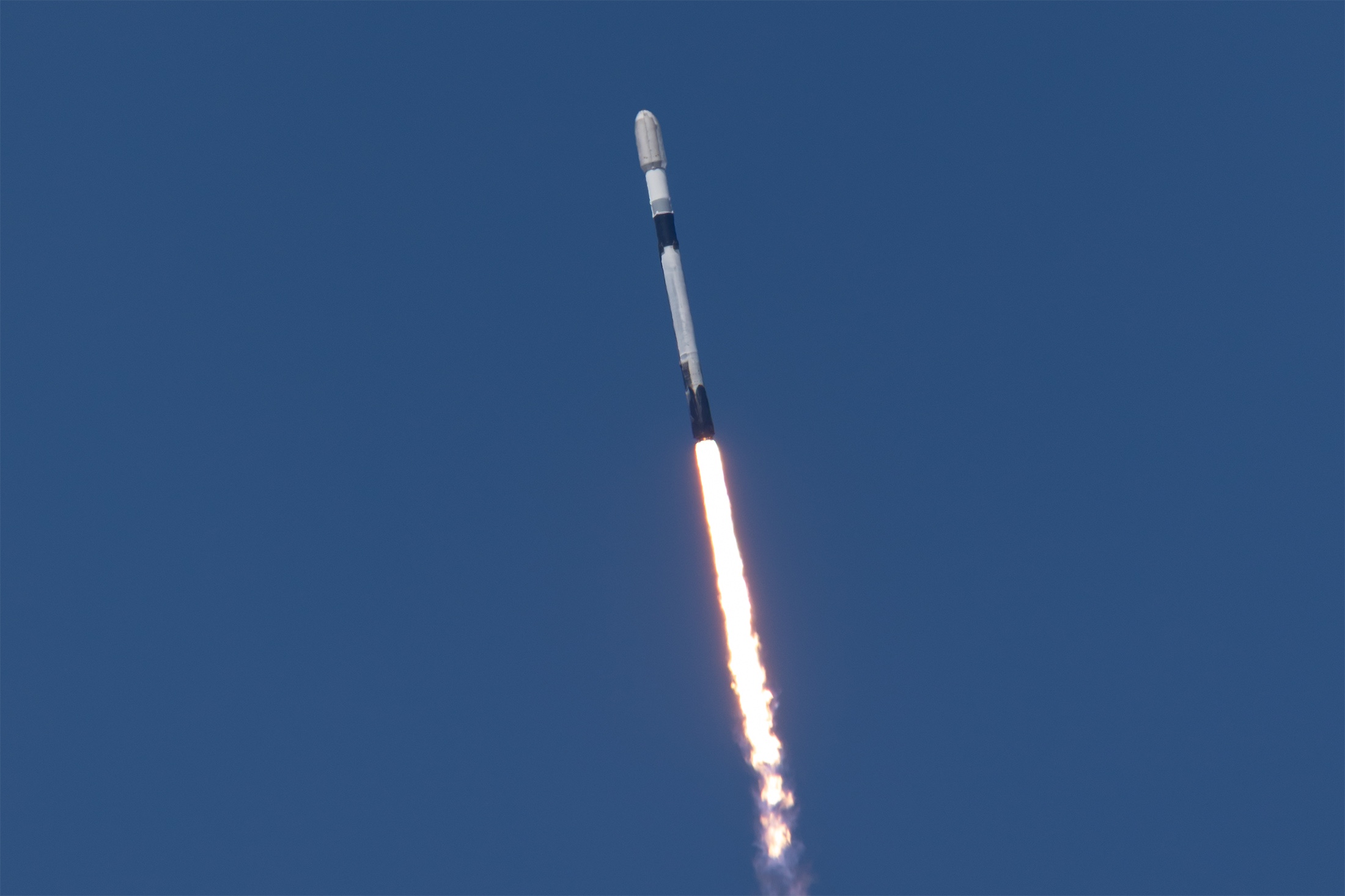
There is a strange sort of irony in watching a company routinely perform technological miracles while the industry beneath it quietly frets about its own survival. When SpaceX recently launched the Transporter-18 rideshare mission, carrying a dense cluster of diverse spacecraft into orbit, most casual observers probably scrolled right past it. Another Falcon 9, another batch of satellites, another Tuesday in modern commercial aerospace. But if you know where to look, this launch feels less like a routine delivery and more like a poignant checkpoint in a chapter that is rapidly drawing to a close.
From my perspective, the modern satellite boom has been defined almost entirely by the "rideshare" model—that brilliant, budget-friendly bus service to low Earth orbit that allowed universities, startups, and small nations to hitch a ride on a Falcon 9 for a fraction of a dedicated launch cost. What many people don't realize is how much this specific model democratized space. Suddenly, you didn't need a government budget to put your hardware in the thermosphere; you just needed a decent grant and a standardized dispenser. But as Transporter-18 highlights, this golden age of cheap, crowded orbital bus rides is facing an inevitable, looming cliff. If you take a step back and think about it, the very success of the rideshare ecosystem has created the pressures that are now threatening to dismantle it.
The Economics of Convenience and the Problem of Success
One thing that immediately stands out about the current state of commercial spaceflight is how quickly convenience can curdle into complexity. When SpaceX popularized dedicated rideshare missions, they essentially created a massive, bustling orbital flea market. You had Earth-observation cubesats elbowing tech-demonstrators and IoT constellations for space inside the payload fairing.
Personally, I think the industry became a victim of its own success. The sheer volume of demand means that coordinating dozens of distinct payloads—each with its own regulatory quirks, schedule delays, and integration headaches—is becoming an administrative and logistical nightmare. What this really suggests is that the rideshare model was always a transitional phase, a brilliant band-aid applied while the market figured out what it actually wanted to be. A detail that I find especially interesting is how satellite operators are now outgrowing the constraints of standard rideshares, demanding more precise orbits, custom deployment times, and specialized trajectories that a shared bus simply cannot accommodate.
Shifting Horizons: Where Does SmallSat Go From Here?
This raises a deeper question: if the traditional rideshare era is winding down, what replaces it? In my opinion, we are witnessing a maturation process where the commercial space sector is finally putting on adult clothes. The days of treating orbit like a chaotic startup incubator are giving way to a more disciplined, consolidated reality.
- The Rise of Dedicated Micro-Launchers: Instead of waiting for a mega-bus to launch once or twice a year, smaller companies are finally finding their footing to offer bespoke, on-demand flights.
- Constellation Consolidation: Major players are building out their own dedicated logistics pipelines rather than relying on shared infrastructure.
- Regulatory and Orbital Traffic Realities: With thousands of active spacecraft already clogging low Earth orbit, the free-for-all mentality of early rideshares is colliding with hard truths about space traffic management.
What makes this particularly fascinating is the psychological shift it requires from the aerospace community. For years, the narrative has been about how cheap and easy it is to get to space. Now, the conversation is pivoting toward sustainability, precision, and strategic deployment. People usually misunderstand this transition as a slowdown in innovation, but I see it as the exact opposite—it’s the market moving past the awkward adolescence phase.
The Broader Tapestry of Orbital Commerce
If you look at the bigger picture, missions like Transporter-18 represent the end of an aesthetic. They remind us of an era when putting a satellite in space felt like an audacious group project. As we look toward the future, the sheer normalization of spaceflight means that even milestone launches begin to blur into the background noise of human progress.
Ultimately, the twilight of the rideshare model isn't a tragedy; it’s an evolution. Space is no longer just a frontier for scrappy experiments; it is a mature, crowded, and deeply complex economic zone. And while I will always miss the quirky, chaotic charm of the early rideshare gold rush, the discipline replacing it is precisely what we need if we want space to remain open, functional, and sustainable for generations to come.