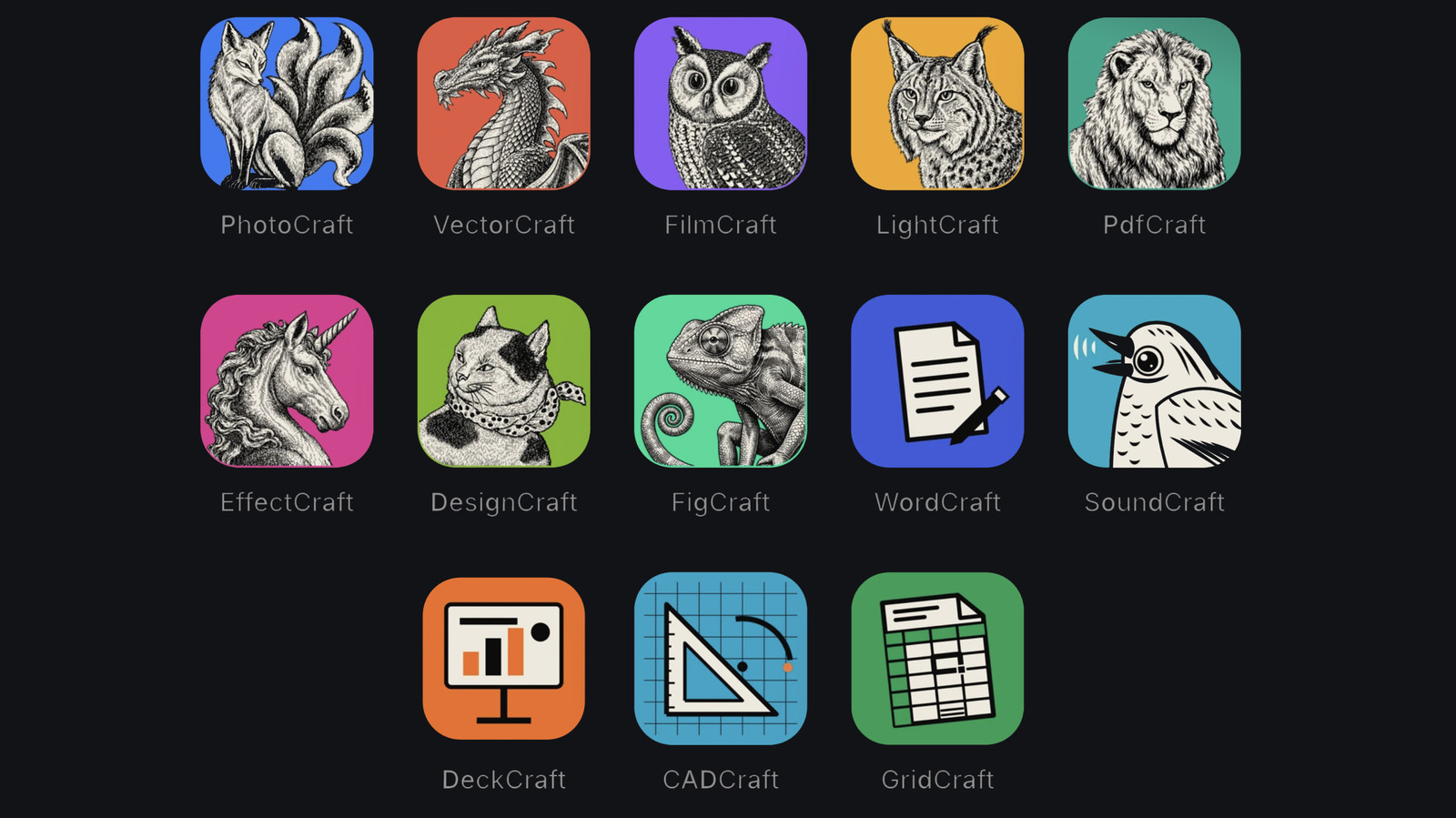
A quiet shift is underway in how software is built and deconstructed. Fueled by frustration over rigid subscription models and high costs, developers are increasingly turning to artificial intelligence to reverse-engineer complex applications. By leveraging advanced models, teams have begun producing free, open-source alternatives to industry-standard tools, aiming to disrupt a market long dominated by a handful of tech giants.
Challenging the Subscription Status Quo
For years, major software ecosystems have required users to maintain costly ongoing subscriptions, drawing frequent complaints from hobbyists and independent creators. While free alternatives have existed for decades, they often required steep learning curves or forced users to abandon deeply ingrained muscle memory.
That dynamic began to shift when developers started using conversational AI to analyze software interfaces and functionality, building clean-room equivalents from scratch. Projects attempting to replicate photo editing suites and CAD programs have emerged with nearly identical user interfaces, allowing users to transition without retraining their workflows.
Users have expressed mixed feelings about the phenomenon. Some view the disruption as long-overdue justice for consumers trapped by aggressive billing practices, with one observer remarking, "Nice, let the predatory software companies suffer." Others are more cautious, noting that while the technical achievement is striking, the software remains in early alpha stages: "Having built Photoshop readers/writers in the past, I know the challenge just in dealing with the file format. Then you have the sheer amount of UI/UX to implement well. And this looks exceptionally well-executed."
The Technical Reality and Limitations
Despite rapid development cycles, skepticism remains regarding whether these AI-generated tools are ready to replace professional-grade infrastructure. Early adopters have reported critical bugs, including stability issues, missing file format compatibility, and unexpected layer behavior.
Critics also point out that corporate ecosystems rely on more than just the application interface; enterprise users depend on dedicated customer support, legal accountability, and robust security guarantees. As one industry observer noted, commercial software buyers pay for the confidence that a large organization stands behind the product to handle bugs and data safety. Skeptics argue that projects driven entirely by automated code generation can quickly become unmaintainable or riddled with oversight.
A Broader Shift in Technology
Beyond individual editing tools, automated reverse engineering has expanded to firmware, games, and productivity applications. Viral repositories designed to deconstruct and reconstruct software applications have gained massive traction among developers.
This trend raises complex legal and ethical questions surrounding patents, copyright infringement, and the enforcement of End User License Agreements. While clean-room development methods legally protect developers who recreate functionality without copying proprietary source code, companies are likely to test those boundaries in court. Whether these open-source clones mature into true enterprise competitors or remain niche tools for hobbyists, they have signaled a permanent change in how software can be conceptualized, built, and challenged.

